
When technology is addressed in the context of business enterprise, one typically assumes that the strategy is to enhance productivity and exchange of information. Due to the pressure placed on enterprises to comply with HSE rules and standards, technology for the sake of health and safety is acquiring exponentially growing adherence. For years, technology has averted work - related fatalities and injuries; nevertheless, the advancement of increasingly dynamic technologies and techniques gives a new perspective on how workplace safety could be significantly improved even further. Employee safety monitoring, training, and reporting are just a plethora of the ways in which technology is boosting workplace safety for employees. High-speed communication is another benefit of technology, which might make distant workers safer on the job. Among the numerous digitization initiatives adopted by different leading firms, here are the most innovative ways that technology has amplified workplace safety.
Real-time data analysis
Workplace safety can be greatly enhanced with high-speed communication. Workers who are obligated to work in isolated or stranded zones encounter several hazards. However, the deployment of applications and communication devices that encapsulate real-time data allows companies to be informed about their employees' safety status. Employees must receive prompt and up-to-date safety and health information, and highly interactive communication technologies may receive appropriate safety announcements on schedule and on a timely manner.
Safety applications and Softwares
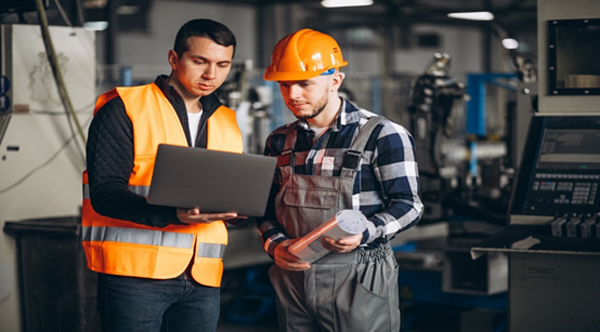
Hazards are everywhere, and safety apps have been developed to look at safety-related issues, providing valuable information at the touch of a screen. These can streamline your risk, health and safety management, allowing you to keep a critical eye on your operations at all times Apps like the safety audit tool help in developing a health and safety inspection, identify hazards, take photographs, and record information from your portable device in case of emergency. This report can be used to notify management of any critical events or to assist in the research procedure.
3D visualization technology
3D environment and architecture
Employees can benefit from powerful visualisation technologies by becoming more aware of their work environment and potential hazards. Lifelike visuals can be created using immersive 3D settings to replicate work settings and job sites, allowing workers to anticipate potential threats and hazards. It can also notify management of the safety equipment and supplies that personnel will require in order to avoid an accident.
Virtual Reality
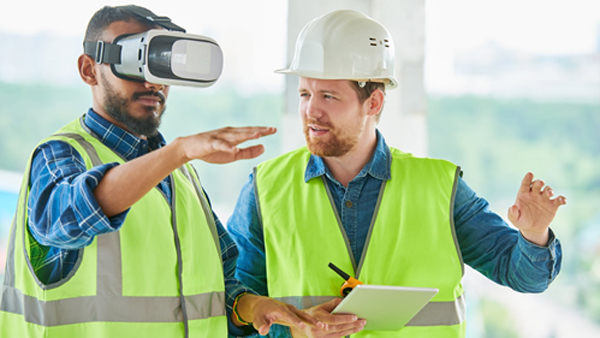
As a training device for occupational health and safety, virtual reality is now becoming highly widespread. With the help of this digitization tool, training and development processes can be executed without any hassle. VR technology creates a virtual world in which users can immerse themselves in order to learn. In contrast to traditional training, users can be exposed to extremely dangerous scenarios in a completely safe environment by using virtual reality. This allows employees to receive more "hands-on" training, which is far more effective than traditional training processes.
Drones
Drones in the place of work can reduce the risk of accidents, and when they do happen, it's simpler to figure out what went wrong and how to mitigate repeating the same mistakes. Furthermore, in some hazardous environments, sending a drone in to investigate the zone provides the necessary information to the team without threatening health of individuals. Drones provide access to hazardous locations while limiting employee exposure. They can also gather critical information and deliver it to the right person at the right time.
Integration of Artificial Intelligence (AI)
Safety training that integrates cognitive computing and artificial intelligence is laying the groundwork for a significant improvement in the manual handling of incidents and injury reduction. AI has also assisted the establishment of innovative methods for monitoring and managing workers based on large amounts of real-time data. These modern forms could improve OSH surveillance, reduce exposure to various risk factors, and provide real - time alerts of strain, medical conditions, and exhaustion.
Every employee believes in working in a safe and healthy environment, so workplace safety is vital in any business organisation. Workers now have the tools they need to gather and analyse data and react more promptly thanks to technological advancements. Digitization of traditional process not only reduce manual effort but may also have a significant impact on reducing workplace accidents and fatalities. Today's technology can help workers be more productive, efficient, and innovative while also keeping them safe and facilitating communication between management and employees.